Comic Type: A Hand-Drawn Display Font for Creative Makers
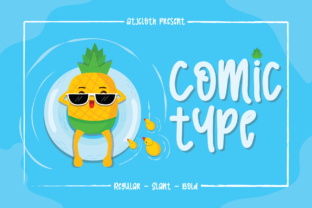
When I opened the Comic Type files to test them on my latest batch of printable wall art, I immediately noticed how the characters have been drawn by hand to give them a warm and authentic look. As a designer who spends hours tweaking spacing for digital downloads, finding a Display font that feels this organic without sacrificing legibility is rare. This isn't just another generic comic book style; it's a carefully crafted set of Fonts designed to bring a sense of playful nostalgia to any project, from boutique packaging to children's fashion branding.
Comic Type for Baby Products and Children's Fashion Branding
I started my testing process with a mockup for a new line of baby products, specifically focusing on the "baby store log" concept mentioned in the product details. The challenge with designing for infants and toddlers is balancing cuteness with readability, and Comic Type solved this beautifully. Its three distinct styles allowed me to create hierarchy within a single design system, ensuring the brand name popped while the descriptive text remained soft and inviting. When I applied the font to a sample diaper bag tag, the hand-drawn quality gave the item an immediate premium feel, distinguishing it from mass-produced goods. For children's fashion labels or nursery decor, this typeface bridges the gap between professional design and a handmade aesthetic, making it perfect for creators who want their shop to feel personal and trustworthy.
Why Comic Type Works for Authentic Character Design
The secret to Comic Type lies in its irregularity; because its characters have been drawn by hand, no two letters are perfectly identical, which prevents the design from looking sterile or algorithmically generated. In my experience with various Display fonts, many lose their charm when scaled down for small stickers or tags, but this set maintains its character even at smaller sizes. I tested the font on a sheet of die-cut stickers for a craft fair booth, and the slight imperfections in the strokes made the text feel like it was written by a friend rather than a computer. This authenticity is crucial for sellers in the baby products niche, where customers often seek out items that evoke warmth and care. Whether you are creating a logo for a kids' clothing line or labeling homemade toys, Comic Type provides the visual personality needed to stand out in a crowded marketplace.
Comic Type for Wedding Invitations and Greeting Cards
While often associated with cartoons, I discovered that Comic Type has a versatility that extends well beyond comic books, especially when used for wedding invitations and greeting cards. I experimented with the font on a rustic-themed welcome board for a wedding, pairing it with a clean sans serif font to balance the playfulness. The result was a design that felt modern yet approachable, avoiding the stiff formality of traditional script fonts. For makers selling digital invitation templates, offering Comic Type as an option adds a unique touch that appeals to couples wanting a fun, relaxed celebration. The font's ability to handle short phrases, names, and titles makes it ideal for editorial design elements on card fronts, while the three available styles allow for subtle variation in emphasis without clashing.
Integrating Comic Type into Digital Printables and Planners
As a creator of digital printables, I frequently need fonts that render sharply on screen and print cleanly on home printers. Comic Type performed exceptionally well in this regard. I used it to design a series of planner pages and daily schedule templates, where the hand-drawn look added a creative flair to otherwise functional layouts. The font works particularly well for headers, decorative dividers, and motivational quotes within a planner. Because it is a Display font, it is best suited for these shorter, impactful text blocks rather than long paragraphs of body copy. However, for sections requiring longer text, I found that pairing Comic Type with a simple serif font created a harmonious layout that guided the eye naturally. This combination ensures that your digital downloads remain readable while still delivering that signature artistic vibe that buyers love.
Comic Type for Product Labels and Packaging Design
One of my favorite applications for Comic Type was on physical product packaging, specifically for candle labels and seasonal gift tags. There is something magical about seeing a hand-drawn style translate onto paper stock, and this font captures that texture perfectly. I designed a label for a soy wax candle using the boldest weight of the font, and it commanded attention on the shelf next to more minimalist competitors. The "warm and authentic look" described in the specs is not just marketing fluff; it translates directly to perceived value for the customer. When shoppers see a label with this kind of character, they assume the product inside is crafted with similar care. For small business owners selling mugs, shirts, or tote bags, this font elevates the merchandise from a generic commodity to a branded piece of art.
Technical Considerations for Cutting Machines and Merchandise
For those of us using Cricut, Silhouette, or other cutting machines, the file quality of Comic Type is vital. During my testing on vinyl decals for mugs and t-shirts, the paths were clean, and the curves were smooth, making weeding a breeze. However, I did notice that for very tiny cuts, such as text under 6pt on a sticker, the intricate hand-drawn details might get lost depending on the material thickness. It is always wise to test a few variations before committing to a full production run. Additionally, if you plan to use this font for commercial purposes, such as selling designs on Redbubble or Etsy, be sure to check the included file formats and licensing terms. Most high-quality Fonts come with a variety of weights and sometimes alternate characters that can enhance your design toolkit. Always verify the commercial license to ensure you are protected when creating physical goods like signage or holiday tags. By understanding the limitations and strengths of Comic Type, you can avoid common pitfalls and focus on what matters most: creating beautiful, market-ready products.